Spring Open House Tips for Chatham County Sellers

Spring is prime time for real estate in Chatham County. Buyers emerge from the winter months energized and ready to act. A well-executed open house can be the difference between a bidding war and a listing that lingers. Whether you’re selling a craftsman bungalow in Pittsboro or a sprawling acreage home near Siler City, these tips will help you put your best foot forward when the doors swing open.

Start With Curb Appeal

Buyers in Chatham County often fall in love before they ever step inside. That means your yard, driveway, and front entry need to look flawless. Freshen up mulch in garden beds, trim any overgrown shrubs, and consider adding seasonal color with potted plants, such as pansies or tulips, near the front door. Power-wash the driveway and walkways to remove winter grime. If your exterior paint is faded or peeling in spots, a weekend touch-up is well worth the effort. Don’t overlook the small details: replace a worn welcome mat, wipe down light fixtures, and make sure house numbers are clearly visible from the street.

Stage to Sell

Spring staging is about evoking freshness and possibility. Start by decluttering every room ruthlessly — buyers need to imagine their lives in the space, not sort through yours. Clear countertops in the kitchen, remove excess furniture that makes rooms feel cramped, and pack away personal photos and collections. Let natural light take center stage. Open every blind and curtain before guests arrive. Add simple touches that feel seasonal without being overdone: a bowl of lemons in the kitchen, fresh white towels in the bathrooms, or a small vase of locally sourced wildflowers on the dining table.

Nail the Atmosphere on Open House Day

Sensory details close deals. Set your thermostat to a comfortable 70–72°F so buyers linger rather than rush. Skip heavy candles or air fresheners; a light citrus diffuser or briefly opened windows does the trick. Soft background music at low volume creates a welcoming vibe without distraction. And if you can get something baking that morning, even store-bought cookies in the oven for a few minutes, that aroma is worth a thousand staging dollars.

Promote Before the Day Arrives

A great open house doesn’t fill itself. Professional photography is non-negotiable. Listings with high-quality images get dramatically more clicks and foot traffic. List your open house on Zillow and Realtor.com, and promote it on social media at least a week out. Old-school tactics still work in tight-knit Chatham County communities, too: signs at key intersections and a quick note to neighbors can bring in buyers who have friends or family looking to move into the area.

Ready to Make Your Move This Spring?

Melanie Thompson knows Chatham County: the neighborhoods, the buyers, and exactly how to position your home for a successful sale. Contact Melanie now and start planning your listing strategy today.

You May Also Like

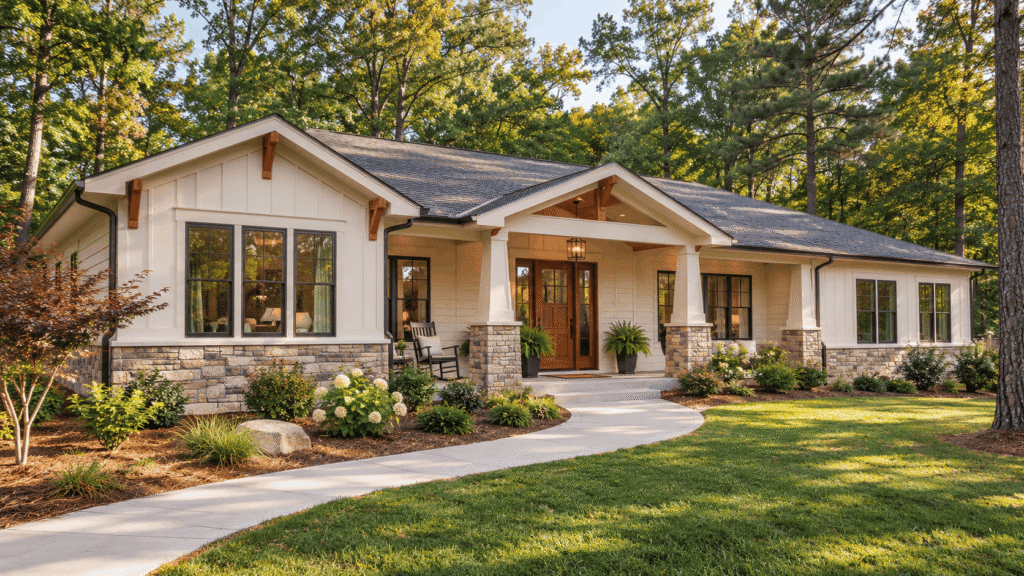
More homeowners are rethinking what they want from their living spaces. While a two-story house may have made sense at one point, priorities often change over time. Maybe you’re tired of carrying laundry up and down the stairs, or perhaps you’re looking for a home that will be easier to maintain in the years ahead.

Single-level homes offer an appealing alternative, especially for buyers who want to simplify their routines without sacrificing comfort or style. If you’re considering a move in Pittsboro or the surrounding Chatham County area, here’s what to keep in mind.

The Everyday Benefits of Single-Level Living

One of the biggest advantages of a single-level home is convenience. With bedrooms, bathrooms, the kitchen, and living areas all on the same floor, you can move through your day without constantly navigating stairs.

This layout can be particularly appealing to buyers planning to age in place. While a single-story design doesn’t automatically make a home accessible, eliminating stairs between floors can make daily activities easier for people with mobility concerns.

Single-level living can also simplify certain household chores. You won’t need to carry cleaning supplies or laundry between floors, and it’s often easier to keep an eye on children or pets when everyone shares the same level.

Today’s single-story homes come in a wide variety of designs, including open floor plans, spacious primary suites, and dedicated home offices.

What Are the Potential Drawbacks?

Although single-level homes offer plenty of advantages, they aren’t necessarily the best fit for every buyer.

For starters, a one-story home may require a larger lot to accommodate the same square footage as a two-story property. Depending on the neighborhood, this can affect availability and pricing.

Privacy is another consideration. In a two-story home, bedrooms may be separated from the main living areas, giving family members more space to retreat. Single-level homes often place bedrooms closer to shared spaces, making the floor plan especially important.

You’ll also want to consider outdoor maintenance. A larger building footprint may leave less yard space, while a home on a larger lot could require more landscaping work.

Think About How Your Needs May Change

One of the best reasons to consider single-level living is the flexibility it can provide as your lifestyle evolves.

If you’re approaching retirement, a home with fewer stairs may help you remain comfortable for years to come. But single-level homes aren’t just for retirees. They can also appeal to young families, busy professionals, and anyone who prefers a more streamlined layout.

When touring properties, pay attention to features beyond the number of stories. Wide doorways, step-free entrances, accessible bathrooms, and manageable outdoor spaces can all contribute to long-term comfort.

Consider how much room you actually use, too. Moving to a thoughtfully designed single-level home may give you everything you need without paying to maintain spaces that rarely get used.

Find a Home That Fits Your Next Chapter

Whether you’re downsizing, planning for retirement, or simply ready for a different layout, single-level living is worth exploring. The right home should support your current lifestyle while giving you room to adapt to whatever comes next.

***

Interested in single-level homes in Pittsboro or Chatham County? Contact Melanie Thompson to explore available properties and find a home that fits the way you want to live.

A wooded lot can offer something that’s getting harder to find: privacy, space, and a home that feels tucked away from the rest of the world. In Chatham County, buyers can find beautiful properties surrounded by mature trees while still staying within reach of Pittsboro, Chapel Hill, Raleigh, and the rest of the Triangle.

But buying a wooded lot is different from buying a home that’s already built. Before you fall in love with the view, it’s worth finding out what it will actually take to build there.

Make Sure the Land Can Support Your Home

A few acres may look like plenty of room, but not every part of a property will necessarily be buildable. The shape of the lot, topography, easements, streams, floodplain areas, and other restrictions can all affect where a home can go.

Your plans matter, too. A house, driveway, garage, outdoor living area, and other features all need space. Thinking about the entire property early can help you avoid buying land that works on paper but doesn’t work for the home you have in mind.

Don’t Overlook Septic and Well Requirements

Many properties outside more developed areas of Chatham County rely on private septic systems and wells rather than municipal water and sewer.

If sewer service isn’t available, Chatham County requires an approved on-site septic system for a home with plumbing. The septic evaluation considers whether the soil and site are suitable for the system. Buyers planning to use a private well will also need to account for the well location and required setbacks.

These aren’t details to save for after closing. Knowing what the property can accommodate can influence everything from the number of bedrooms in your home to where you put the driveway.

Decide How Wooded You Want to Stay

One of the biggest reasons to buy a wooded lot is, of course, the trees. But some clearing will typically be necessary for the house, driveway, utilities, septic system, and usable yard.

Before clearing begins, think about the trees you’d most like to preserve. Mature trees can provide shade, privacy, and a beautiful natural backdrop that would take decades to recreate.

The goal doesn’t have to be clearing as much as possible. Thoughtful site planning can help you create room for your home while keeping the character that attracted you to the property in the first place.

Budget for Buying a Wooded Lot in Chatham County

Raw land can come with expenses you wouldn’t encounter when buying an existing home. Depending on the property, those might include surveying, soil evaluation, clearing, grading, driveway construction, utility connections, a septic system, or a well.

A lower-priced lot isn’t necessarily the better deal if preparing it for construction will be significantly more expensive.

Start With the Right Team

You don’t need to understand every detail of land development before you start looking. You do want people on your side who know which questions to ask.

A real estate professional familiar with Chatham County land and new construction, like Melanie Thompson, can help you evaluate properties with your long-term plans in mind and connect you with builders and other professionals when you need more specialized guidance.

The right wooded lot can give you the best of both worlds: a home designed around your needs and a setting that already feels established. Taking the time to understand the land before you buy can help make sure the property you love is also a property you can build on.

There are plenty of reasons to hesitate before buying a home right now.

Mortgage rates remain high compared with what buyers grew accustomed to a few years ago. Everyday expenses are taking a bigger bite out of household budgets. And after layoffs and a less certain job market, some buyers simply don’t feel as financially secure as they once did.

So, if you’ve been thinking about buying a home in Chatham or Wake County, waiting until spring might sound appealing. Maybe mortgage rates will come down. Maybe the economy will feel more stable. Maybe buying a home will simply feel less risky.

That could happen. But waiting has its own tradeoffs.

There Are Good Reasons to Wait

Buying a home is a major financial commitment, and uncertainty about your job or monthly budget shouldn’t be brushed aside just because you find a house you love.

If buying at today’s mortgage rates would stretch your budget, waiting may give you time to save more, pay down debt, or strengthen your overall financial position. The same is true if you’re worried about your employment situation or expect your income to change.

There’s also the possibility that borrowing conditions could become more favorable. But no one knows exactly where mortgage rates will be next spring.

That uncertainty is important. Waiting for a specific rate can easily turn into waiting six months or a year for a market that never arrives exactly as expected.

Waiting Could Mean More Competition

If mortgage rates do fall significantly, you probably won’t be the only person who notices.

Buyers who have spent months sitting on the sidelines could return to the market. That could mean more competition for desirable homes, particularly in popular parts of Chatham and Wake Counties.

Spring also tends to bring more listings, so buyers who wait may have a larger selection. But more inventory doesn’t necessarily mean an easier purchase if there are also more people competing for those homes.

Buying during a slower period can sometimes give buyers more breathing room. Depending on the property and seller, there may also be opportunities to negotiate on price, closing costs, repairs, or other terms.

Buy When the Numbers Work for You

Ultimately, the best time to buy isn’t determined by the season—or by predictions about where the economy is headed.

It’s when you have stable enough finances, a comfortable monthly budget, and a home available that makes sense for your needs.

For some buyers, that may mean waiting until spring. For others, today’s quieter market could offer an opportunity worth exploring. You don’t necessarily need to commit to buying just because you start looking, either. Understanding what homes are available and what they would actually cost each month can help you make a much more informed decision.

Talk Through Your Options With Melanie

If you’re wondering whether it makes more sense to buy now or wait, Melanie Thompson can help you look at what’s actually happening in the Chatham and Wake County markets—not just national headlines. She can help you explore available homes, understand local conditions, and decide whether the opportunities available today make sense for you.

Contact Melanie today to start a conversation about your home search and whether now is the right time to make your move.

Most people who plan to buy a home aim for spring. The listings pile up, the yards look their best, and it feels like the season you are supposed to move. But the spring rush comes with a cost. More buyers, more competition, and sellers who know they hold the upper hand.

By late summer, that pressure eases. The crowd thins out, the pace slows, and the buyers who are still looking tend to find a quieter, more workable market. In Chatham County, that shift can work in your favor in ways the busy months rarely do.

Less Competition Means More Room to Think

Spring buyers often move fast because they have to. A home hits the market on Thursday and has three offers by Sunday. That kind of pace pushes people into quick decisions and waived contingencies they later regret.

Late summer feels different. Fewer buyers are actively searching, which gives you time to tour a home twice, sleep on it, and walk the property without someone waiting behind you. In a market like Chatham County, where a wooded lot or an acreage home deserves a careful look, that breathing room matters.

Sellers Who Are Still Listed Are Usually Ready to Move

A home that has been sitting since spring tells you something. The seller may have priced it high early in the year and watched the busy season pass without an offer. By late summer, many of those sellers are ready to get serious.

That often shows up in price adjustments, more flexibility on closing dates, and a greater willingness to negotiate repairs. You are dealing with people who want to sell, not people testing the market. For a buyer, that changes the whole tone of the conversation.

You Get an Honest Look at How a Home Lives in the Heat

Chatham County summers run hot and humid, and late summer is when a home shows you the truth. You find out how well the HVAC keeps up, whether the shade trees actually cool the yard, and how the screened porch feels at the end of a warm day.

Touring in August also lets you check the things buyers forget in cooler months. Does the yard drain after a summer storm. Do the windows seal against the humidity. Is the outdoor living space usable when it counts. These are the details that shape daily life once you move in.

Timing Lines Up With a Calmer Fall Closing

A late summer offer often means a fall closing, and fall is one of the easier seasons to move in Chatham County. The weather cools, movers have more availability, and you settle in before the holidays rather than during them.

For families, that timing can line up with getting kids settled after the school year starts. For remote workers and anyone relocating from a busier part of the Triangle, it means arriving in time to enjoy the quieter fall months that make this area feel like home.

Ready to Explore What Is Available Right Now?

The late summer market rewards buyers who are paying attention. If you are thinking about a move to Chatham County, Melanie Thompson can help you find the right home while the competition is light and sellers are ready to deal. Reach out today at 919-559-0956 or contact Melanie here to start the conversation.

Scroll to Top